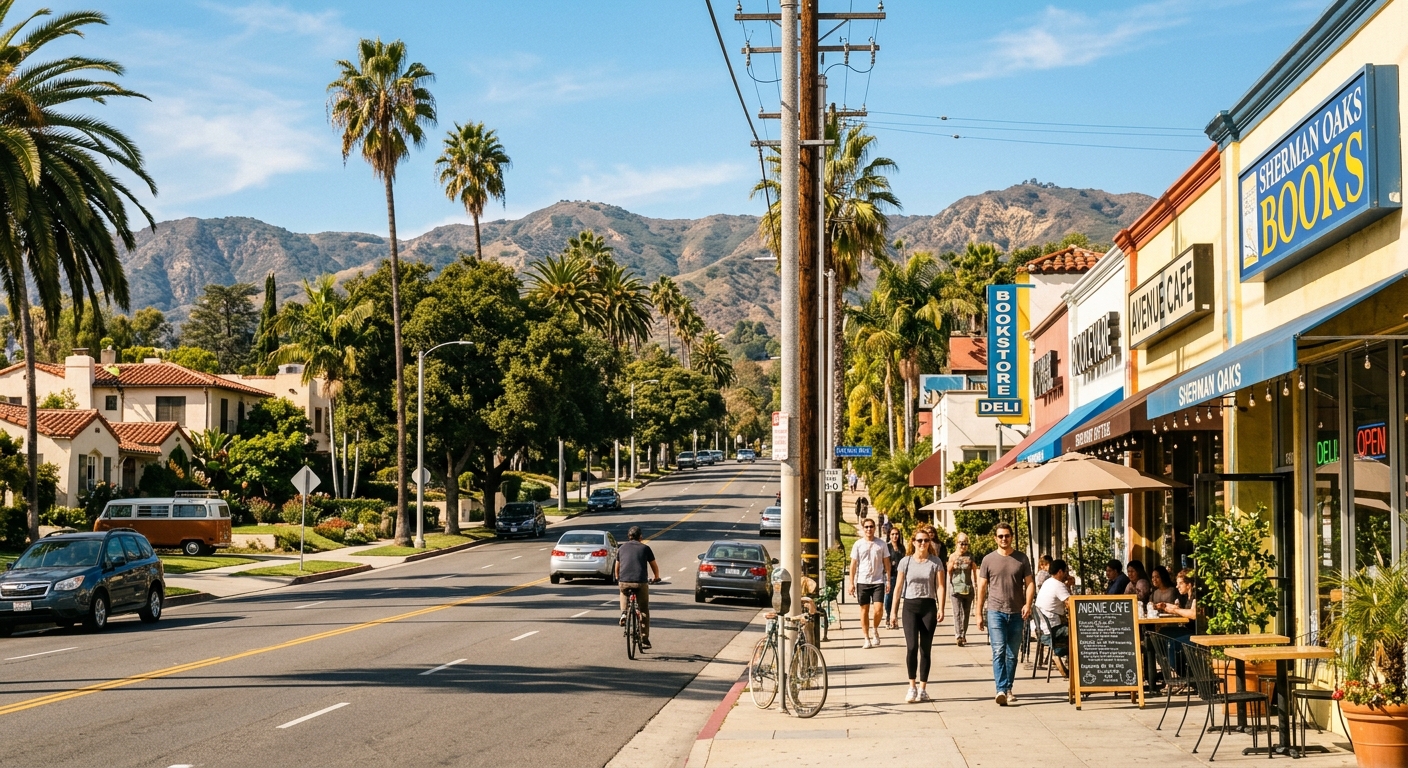
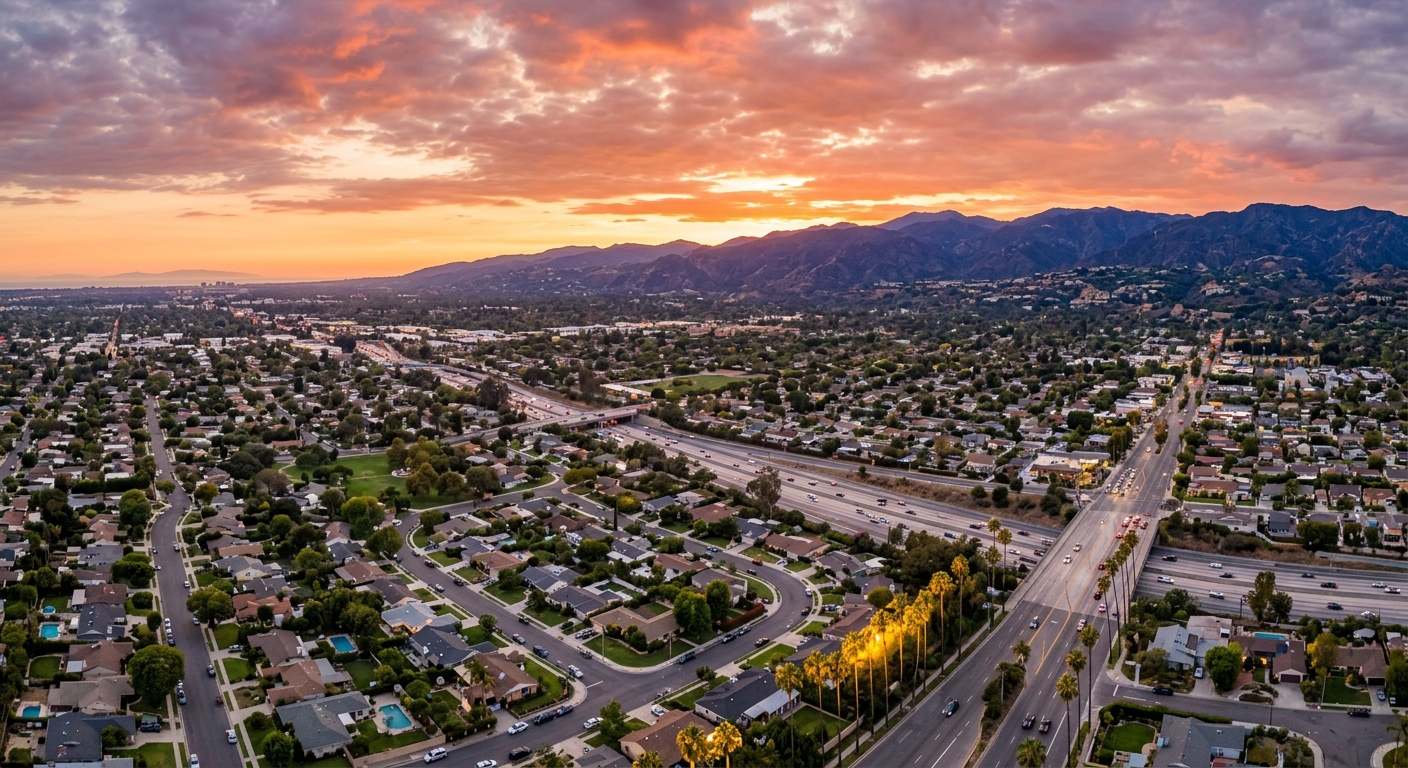
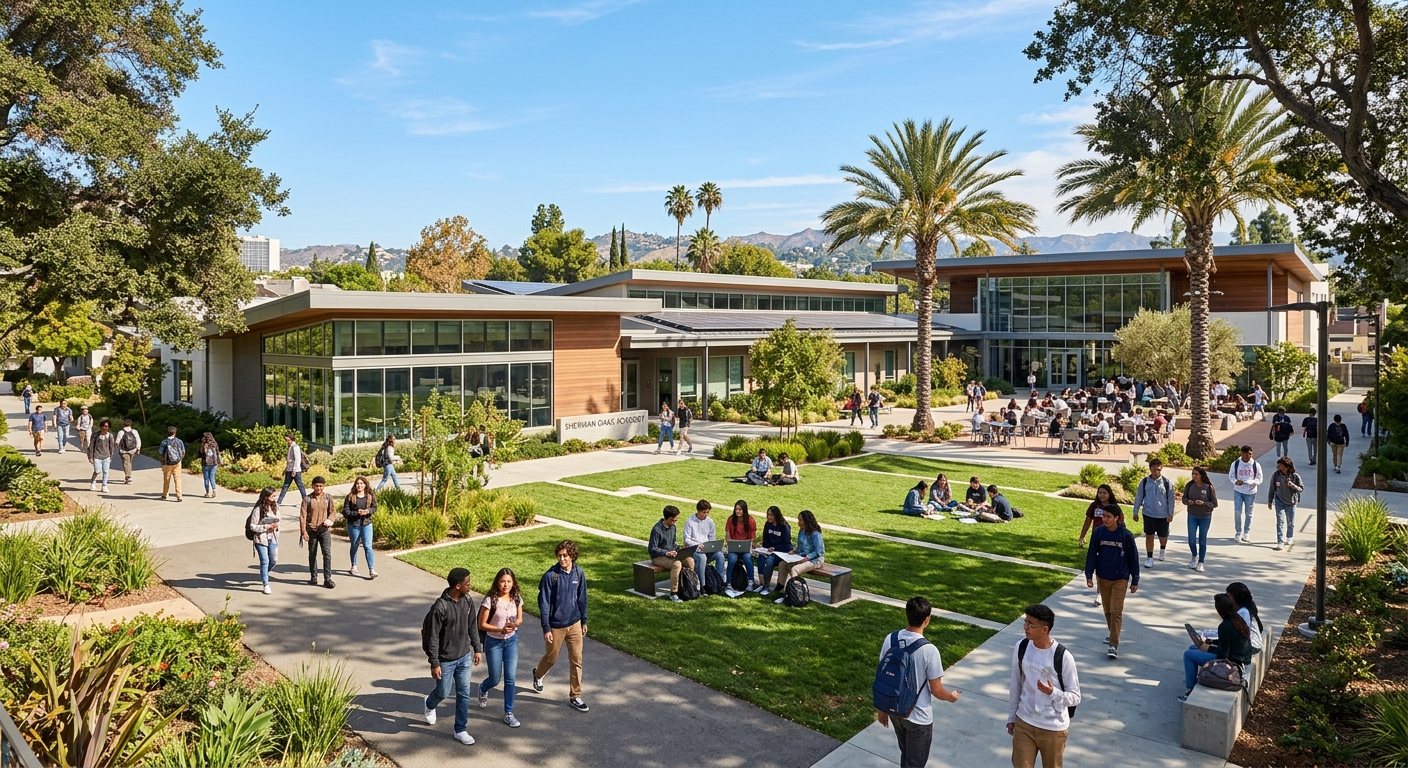
San Fernando Valley Late Summer Weather & Climate Guide: Sherman Oaks
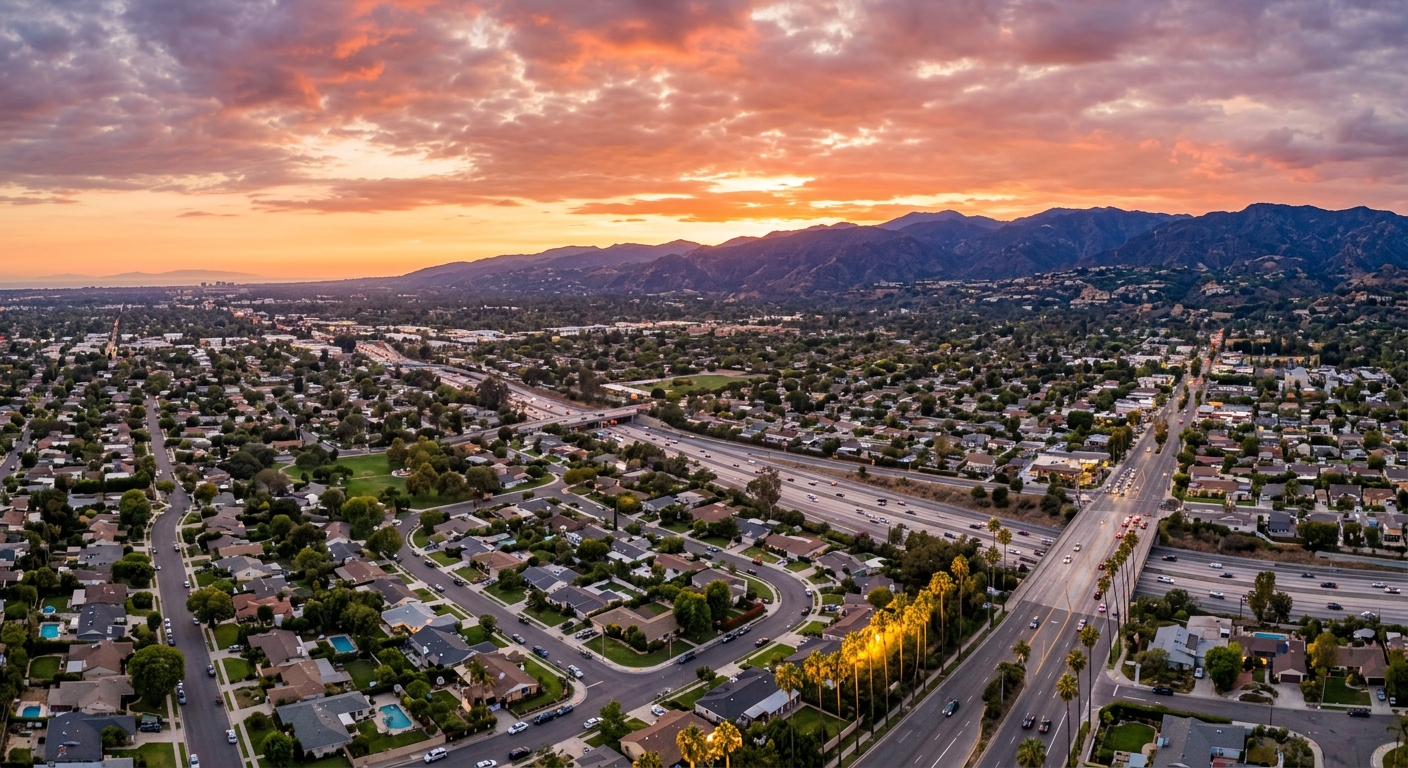
Sherman Oaks · Community Photo
Discover the unique late‑summer climate of Sherman Oaks and how the San Fernando Valley’s micro‑climates shape daily life. This guide breaks down August highs, September trends, humidity levels, and practical tips for staying comfortable while enjoying the outdoors. Gain a clear picture of Sherman Oaks weather and make informed decisions for events, activities, and home comfort this season.
Late Summer Climate Overview
TheSan Fernando Valley late summerperiod is characterized by a warm Mediterranean‑type basin that stays noticeably hotter than the nearby coastal strip. In August, Sherman Oaks records average high temperatures between86°F and 90°Fwith overnight lows around62°F‑64°F. September remains warm, with typical highs of83°F‑87°Fand occasional spikes that push temperatures above100°F. Precipitation is minimal, averaging only0.04‑0.14 inchesper month, while relative humidity hovers between60%‑66%and dew points linger near60°F.
Microclimate Drivers
Santa Monica Mountainsto the south act as a barrier that blocks the cool marine breeze, creating a temperature differential of roughly10°F‑20°Fbetween Sherman Oaks and coastal neighborhoods such as Santa Monica or Malibu.
Santa Susana and San Gabriel Mountainsencircle the valley, trapping heat and contributing to the basin’s dry, sunny conditions.
OccasionalSanta Ana windevents can further elevate daytime temperatures and accelerate fire‑risk conditions.
Key Takeaways for Residents
Expect hot afternoons in August and September; plan outdoor activities for early morning or evening when temperatures are lower.
Maintain indoor cooling efficiency by using shades and ventilation during peak heat hours.
Stay alert for heat advisories, especially during spikes that approach historic records such as the121°Fextreme recorded in the Valley on September 6, 2020.
ThisSherman Oaks climate guideserves as a conciseregional climate overviewfor anyone living, working, or planning events in the valley during the late summer months.
Sherman Oaks Weather – Monthly Climate Data for Aug & Sep
Metric | August – Monthly Climate Data | September – Late Summer Weather Forecast |
|---|---|---|
Temperature Ranges | ||
Average High (°F) | 86°F | 83°F |
Average Low (°F) | 65°F | 64°F |
Average Monthly Rainfall (in) | 0.04 | 0.14 |
Average Relative Humidity | 60%–66% | 60%–66% |
During August, Sherman Oaks experiencestemperature rangesthat climb into the high 80s to low 90s °F in the afternoon, then ease to the mid‑60s °F by evening, making outdoor dining comfortable.
Late summer weather forecastdata for September show high temperatures around the mid‑80s °F, but the heat becomes more episodic, with occasional spikes and evenings often in the low 60s °F.
Humidity averages 60‑66 % and precipitation is minimal—typically 0.04‑0.14 inches per month—so night‑time cooling is driven by radiative loss.
This diurnal swing helps keep community gatherings pleasant after the daytime heat subsides.
Late Summer Heat Advisory and Santa Ana Winds Overview
Late‑Summer Heatwave
Mechanics
A regional climate overview of the San Fernando Valley & Sherman Oaks

How Heatwaves Build
Santa Ana winds funnel south‑west through mountain passes — including Sepulveda and Soledad — pushing warm, dry air down into the valley floor and drastically reducing coastal marine influence.
As the offshore flow descends, compressional heating raises valley temperatures 10 – 15 °F above surrounding coastal averages — turning a mild regional day into a valley heatwave.
Late‑Summer Temperature Benchmarks
Average High
Average Low
Average High
Average Low
threshold
All‑Time Valley Record
Red‑Flag Warning Conditions
Wildfire Risk
The combination of extreme heat, critically low humidity, and powerful Santa Ana winds creates ideal conditions for rapid wildfire spread. The valley's extensive brushland and dry foothill terrain accelerate fire behavior, making late summer the region's highest‑risk season for fire activity.
Heat Advisory Overview
A late‑summerheat advisoryis in effect for Sherman Oaks as August temperatures average 86°F with lows near 65°F, and September highs remain in the 83‑87°F range. Humidity hovers around 60 %–66 % and precipitation drops to as little as 0.04 inches per month, creating a classic dry‑heat environment that raises the risk of heat‑related illness and fire spread.
Hydration Protocol
Drink at least 1 quart (≈ 1 liter) of water every hour when outdoors, and increase intake if you are sweating heavily.
Carry a reusable bottle and replace fluids with electrolytes (e.g., a pinch of salt or a sports drink) after prolonged activity.
Limit caffeine and alcohol, which can increase dehydration.
Avoid Peak Outdoor Hours
Schedule exercise, yard work, or any strenuous activity outside of the 11 a.m. – 5 p.m. window, when solar intensity and surface temperatures are highest.
Pet Safety on Hot Asphalt
Check the pavement temperature with the back of your hand; if it feels uncomfortable for you, it is too hot for a pet’s paws.
Provide shaded water and a cool resting spot; never leave pets unattended in a parked vehicle.
Limit walks to early morning or evening, and consider indoor play during peak heat.
Public Cooling Centers
When indoor relief is needed, take advantage of local Sherman Oaks facilities:
The Sherman Oaks East Valley Adult Center, which offers air‑conditioned spaces and water fountains.
Nearby LA Public Library branches, which provide cool seating and free Wi‑Fi.
Energy Grid Conservation – Flex Alerts
Reduce non‑essential electricity use (e.g., defer laundry, dishwashing, and pool pumps) during Flex Alerts to ease demand on the grid.
Raise thermostats a few degrees and use fans instead of air‑conditioning when possible.
Unplug devices that draw standby power to help maintain system stability.
Sherman Oaks Weather Safety Tips
Stay informed by monitoring local forecasts and the National Weather Service for updates on heat indices and Santa Ana wind conditions, which can exacerbate fire danger and temperature spikes.
Air Quality Index San Fernando Valley:Valley Inversion Layer
Thermal Inversion Basics
TheValley inversion layerforms when the night‑time cooling of the valley floor creates a stable slab of air that traps warmer air above it. In late summer, the basin’s geography—surrounded by the Santa Monica and San Gabriel Mountains—limits breezes, allowing this inversion to persist well into the daytime.
How Sunlight and Traffic Create Ozone
Intense late‑summer ultraviolet rays break down nitrogen oxides released by the heavy traffic at the 101 / 405 interchange. When these pollutants mix with the stagnant air trapped by the inversion, they form ground‑level ozone, the main component of smog that degradesSherman Oaks air quality.
Practical Tips for Residents
Check the real‑timeair quality index San Fernando Valleyat the South Coast Air Quality Management District website for current AQI values.
Schedule outdoor exercise for early morning hours (typically before 9 a.m.) when the inversion is still low and ozone levels are reduced.
Use a HEPA‑rated air purifier indoors to capture fine particles and lower indoor ozone exposure, especially on days when the AQI exceeds “moderate.”
Quick Monitoring Guide
Visit the South Coast AQMD portal and select the “Current AQI” map for the San Fernando Valley.
Note the AQI category: “Good,” “Moderate,” “Unhealthy for Sensitive Groups,” etc.
If the AQI is “Moderate” or higher, limit prolonged outdoor activities and keep windows closed.
Outdoor Activities Sherman Oaks & Late Summer Lifestyle San Fernando Valley
Outdoor Activities Sherman Oaks: Late‑Summer Recreation Guide
Coolest parts of the day—early mornings before 9:30 AMandevenings after 6:30 PM— are the ideal windows to stay active outdoors during the late‑summer heat in theSan Fernando Valley.
Take advantage of the milder temperatures for jogging, cycling, or a brisk walk before the midday sun intensifies.
Plan your workouts around these cooler periods to stay comfortable and safe while enjoying the valley’s scenery.
Explore nearbyparks and trailsduring these optimal hours.
For a Late summer lifestyle San Fernando Valley, consider these timing‑friendly options:
Walk the dog on shaded streets before9:30 AM.
Run at Van Nuys Sherman Oaks Park duringcooler morning hours.
Explore the tree‑lined, shaded neighborhood paths along Valley Vista Boulevard in the evening after6:30 PM.
Stay Hydrated and Comfortable Outdoors
Carry a reusable water bottle and wear light‑weight, breathable clothing to stay hydrated and comfortable while enjoying the outdoors.
Late‑Summer Lifestyle Cooling in San Fernando Valley
Augustis the hottest month, with average highs of86 °Fand lows of65 °F.
Implementingproactive cooling measurescan keep indoor temperatures lower and reduce electric bills.
For tips on shading windows, using fans, and setting thermostats, learn more.
Month | Avg High (°F) | Avg Low (°F) |
|---|---|---|
August | 86 °F | 65 °F |
September | 87 °F | 65 °F |
These actions fit a late summer lifestyle in the San Fernando Valley, helping you stay comfortable as the heat lingers.
Pre‑cool rooms early in the morning when outdoor temps are lower
Install thermal curtains on south‑ and west‑facing windows
Set ceiling fans to rotate counter‑clockwise to push cool air down
Run major appliances (dishwasher, laundry) late in the evening after peak heat subsides
Quick Tip: Program Your Thermostat
Schedule pre‑cooling and nighttime setbacks with a programmable thermostat so your home stays comfortable while you enjoy outdoor activities Sherman Oaks residents love—letting the system work actively for you, just like a well‑planned hike.
Late‑Summer Lifestyle Heat Tips for San Fernando Valley
Sherman Oaksexperiences its hottest month inAugustwith an average high of86 °F.
InSeptemberthe average high rises slightly to87 °F.
Consequently, UV exposure is strongest during late‑summer afternoons.
For additional climate details seeWeather.com.
Protective Actions
Here are some simple steps to protect yourself while enjoying the late summer lifestyle in San Fernando Valley.
During the late summer lifestyle in San Fernando Valley, wear lightweight, breathable linen or cotton apparel to stay cool.
When enjoying the late summer lifestyle in San Fernando Valley, apply broad‑spectrum SPF 50+ sunscreen before heading outdoors.
Keeping hydrated is essential for a late summer lifestyle in San Fernando Valley, so carry an insulated water bottle.
For a late summer lifestyle in San Fernando Valley, use reflective sunshades on cars parked in direct sunlight.
Quick tip for safe outdoor activities
Outdoor activities Sherman Oaks should be scheduled before 10 AM or after 6 PM to avoid peak UV hours, and keep a portable shade umbrella handy.
Stay Connected This Summer in the Sherman Oaks Community
TownSites provides a turnkey platform with an event calendar, searchable business directory, and AI‑driven outreach so you can host local networking meetups, sponsor neighborhood events, and keep residents engaged throughout the hot late‑summer months.
By claiming the exclusive Sherman Oaks community, you gain a ready‑made hub to bring together entrepreneurs, residents, and local leaders—turning connections into lasting value.
Sherman Oaks Events: Local Business Summer Strategies
Late‑Summer Weather Snapshot
During August, Sherman Oaks typically sees an average high of 86°F and a low of 65°F. September cools slightly, with average highs around 83‑87°F and lows near 65°F, though occasional spikes can push temperatures above 100°F.
Ventura Boulevard Cafés & Restaurants
To keep patrons comfortable under the balmy evenings, many venues install shaded patio misters and offer al fresco dining as the sun sets. The cooling mist allows diners to enjoy outdoor tables while temperatures hover in the mid‑80s.
Indoor Shopping & Boutique Retail
Westfield Fashion Square remains a primary draw for shoppers seeking climate‑controlled spaces. Local boutiques complement the mall by timing sales promotions for early mornings or late evenings, avoiding the peak afternoon heat.
Co‑Working Spaces
Co‑working operators adjust their schedules by promoting morning desk bookings and providing “cool‑down” lounges equipped with fans and chilled beverages for the hottest part of the day.
Evening Networking & Community Gatherings
Even as temperatures dip to the low 60s after sunset, Sherman Oaks community events flourish. Business owners host mixers on rooftop terraces, leveraging the comfortable night air to foster connections.
These approaches illustrate the local business summer strategies that keep revenue flowing despite the heat.
San Fernando Valley weather FAQ: Sherman Oaks climate questions
Sherman Oaks sits in a basin bounded by the Santa Monica Mountains to the south and the San Gabriel Mountains to the east. These ranges act as a barrier that blocks the cool, marine breezes that temper the Westside. As a result, the valley traps heat and retains it after sunset, leading to daytime highs that often reach 86‑90°F in August and nighttime lows that stay in the mid‑60s.
Santa Ana winds typically develop in late September through October. They are driven by high‑pressure systems over the Great Basin that push air eastward toward the coast. When this air descends the mountain slopes into the San Fernando Valley, it compresses and warms, creating the characteristic hot, dry downslope breezes.
Rainfall in Sherman Oaks during late summer is exceptionally rare. Historical averages show less than 0.15 inches of precipitation in September, and August is similarly dry, with virtually no measurable rain before the seasonal rains begin in November.
Evening temperatures begin to fall after sunset, with lows around 62‑65°F. The most comfortable window for outdoor activities is roughly between 6:30 PM and 9:30 PM, when the heat has receded to the mid‑60s to low‑70s, providing a pleasant climate for dining and gatherings.